

Nine Months Old: On the Move & Finding Their Voice
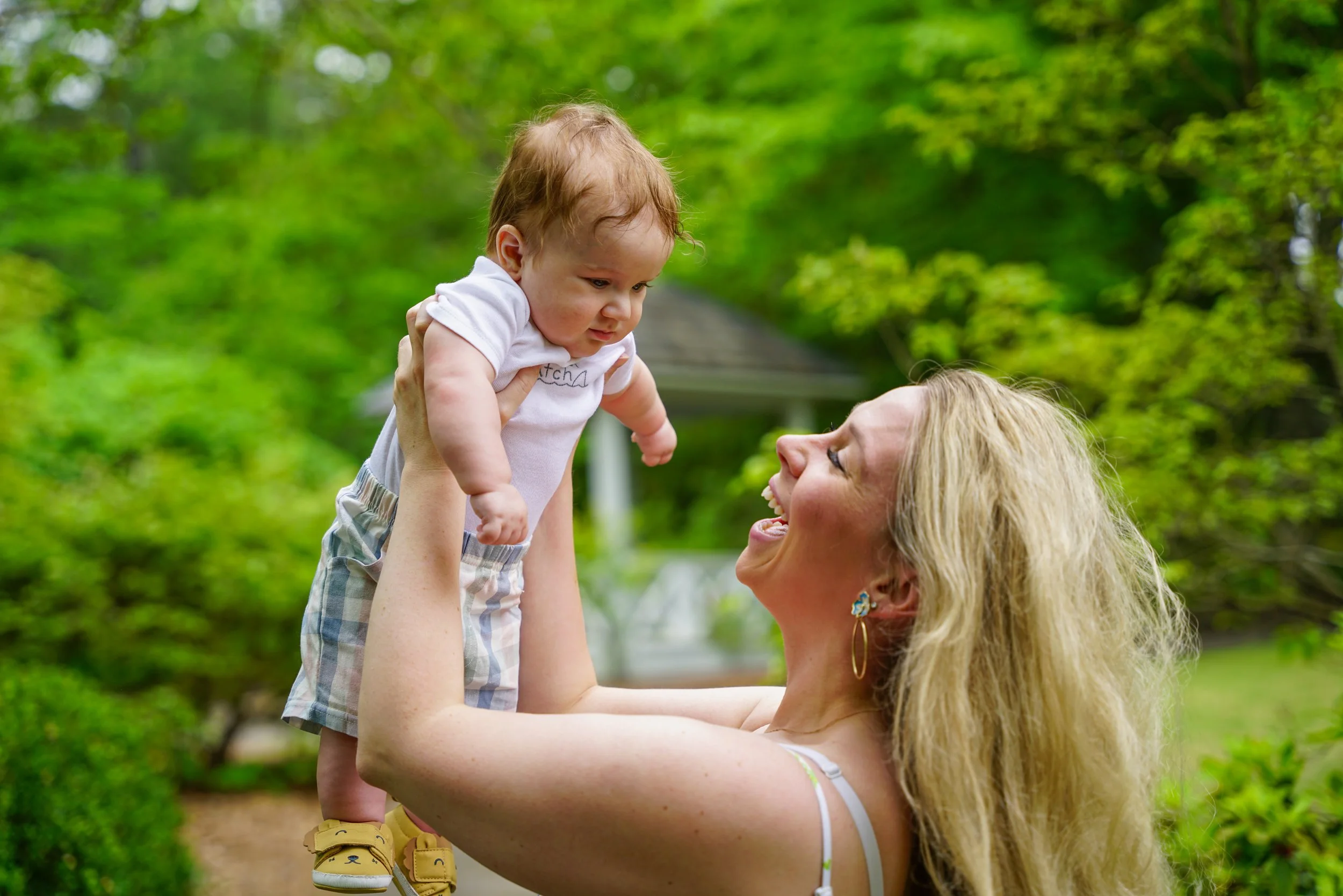
Three-quarters of the way through the first year, and your baby is a force of nature. They're mobile, opinionated, emotionally complex, and starting to string sounds together that sound suspiciously like words. Buckle up — the next few months are going to be busy.
Social & emotional development
Nine-month-olds have a rich emotional life. They display a whole range of expressions — joy, frustration, surprise, sadness — and they're not shy about any of them. Stranger anxiety is completely normal at this age: the same baby who smiled at everyone two months ago may now cling tightly when unfamiliar faces appear. This is a sign of healthy attachment, not a step backward. Separation when you leave the room or hand them to someone else can also trigger real distress — again, completely expected.
Shows stranger anxietyExpresses a range of emotions faciallyResponds to their own nameReacts when you leaveLaughs at peek-a-boo
Language & communication
The babbling is getting elaborate. Repeated syllable strings — "mamama," "bababa," "dadada" — fill the air, and while these aren't true words yet, they're the scaffolding for language. Your baby has also figured out a very effective non-verbal strategy: lifting their arms to signal they want to be picked up. Communication is happening, words or no words.
Babbles strings of syllablesLifts arms to request being picked up
Thinking & learning
Object permanence — the understanding that things still exist even when out of sight — is clicking into place. When your baby drops a spoon and then looks for it on the floor, they're demonstrating genuine conceptual understanding. Banging two objects together is another cognitive milestone: it's early experimentation with cause and effect, and it's very satisfying to a nine-month-old.
Object permanence
Searches for a dropped object rather than forgetting it exists
Cause & effect
Bangs two things together deliberately to make noise
Movement & physical skills
Motor skills are advancing fast. Your baby can now sit without any support — and get themselves into a sitting position independently, which is a significant achievement in core strength and coordination. Hands are becoming more skillful too: objects are transferred between hands, and fingers are used to rake food closer, a precursor to the pincer grasp that's just weeks away.
Sits independently without supportGets to sitting position on their ownTransfers objects between handsRakes fingers to pull food closer
How to support your baby this month
Nine months is a wonderful age for interactive, back-and-forth play. Your baby is ready to be challenged — gently — and will rise to meet it.
Echo your baby's babble back, then extend it into a real word. If they say "bababa," you say "bababa — ball!" This bridges the gap between sound-play and language.
Teach simple gestures like waving bye-bye or shaking the head for no. Babies can learn to communicate with gestures well before they can speak.
Place toys just out of reach during floor time to encourage crawling, scooting, or rolling toward them. Celebrate enthusiastically when they get there.
Dump blocks out of a container and put them back in together. Taking turns passing a toy back and forth teaches the rhythm of social exchange.
Play hide-and-seek with objects — hide a toy under a cloth and see if your baby looks for it. This is exactly the kind of game that exercises their developing understanding of object permanence.
Let your baby practice self-feeding with finger foods (cleared with your pediatrician for choking safety). Expect mess — learning to eat independently is inherently chaotic and entirely worth it.
Say a warm, cheerful goodbye when you leave instead of slipping away unnoticed. It feels counterintuitive, but predictable goodbyes help your baby learn to trust that you'll return.
Baby-proof your home properly now that mobility is imminent if not already happening. Move sharp or breakable objects, lock away medicines and cleaning products, and save the Poison Help Line (800-222-1222) in your phone.
Prioritise sleep. Babies this age need 12 to 16 hours in a 24-hour period, including naps. Consistent routines make a meaningful difference to both sleep quality and daytime mood.
Dental milestones at nine months
By nine months, many babies have one or two teeth already in — and more are on the way. Dental care is no longer something to prepare for; it's an active part of your daily routine now.
Expect more teeth to arrive
After the lower central incisors (typically 6–10 months), the upper central incisors usually follow around 8–12 months. Shortly after that, the upper and lower lateral incisors begin to emerge. By the end of the first year, many babies have between two and eight teeth — though the range varies widely and all of it is normal.
Brushing should be a firm twice-daily habit by now
Every tooth that has emerged needs brushing morning and night with a soft infant toothbrush and a rice-grain-sized smear of fluoride toothpaste. Some babies push back on this — it can help to let them hold a spare toothbrush to mouth while you brush, make it a song or game, or brush in front of a mirror so they can watch. Consistency matters more than perfection.
Finger foods and dental health
As your baby starts exploring a wider variety of solid foods, keep their dental health in mind. Starchy and sweet foods — including soft crackers, fruit, and even some savoury purees — can cling to newly erupted teeth. Offer sips of water after meals and before bed to rinse the mouth, and avoid putting your baby to sleep with anything other than water in a bottle or sippy cup.
First dental visit: now or very soon
If you haven't already scheduled your baby's first dental appointment, now is the time. The recommendation is by the first birthday or within six months of the first tooth — whichever is earlier. At nine months with teeth present, that window is closing. The first visit is low-key: the dentist checks that teeth and gums look healthy, answers your questions, and sets you up with a care plan going forward. It also helps your baby get comfortable with dental visits early, before any treatment is ever needed.
Still no teeth at nine months? A small number of babies don't cut their first tooth until 12 months or beyond. Keep up your gum-wiping routine and mention it at your nine-month well-child visit if you're curious — your pediatrician can reassure you and advise on timing.
If your baby hasn't reached one or more milestones, or has lost skills they previously had, bring it up with your pediatrician at the nine-month checkup. Early support and intervention make a real difference.