

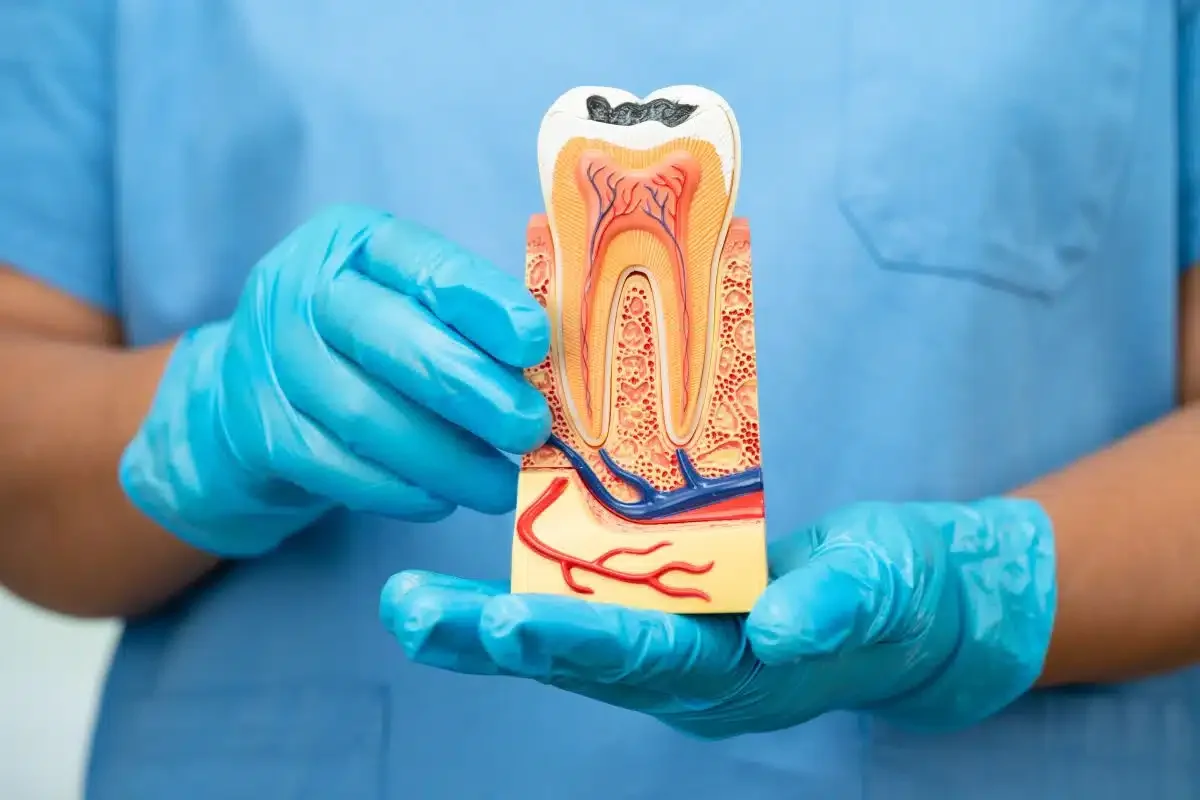
Is a Root Canal Painful? What Richardson Patients Should Know
If your dentist has recommended a root canal, your first question is probably: “Is it going to hurt?”
The short answer: modern root canals are not painful—they actually relieve pain.
At our dental office in Richardson, TX, we help patients feel comfortable and informed about their treatment options. Thanks to advanced techniques and local anesthesia, root canal therapy today is similar to getting a routine filling.
Why Root Canals Have a Bad Reputation
Root canals used to have a reputation for being painful decades ago. However, modern dentistry has significantly improved the experience.
Today’s procedures are:
Faster
More precise
Much more comfortable
Most patients are surprised by how easy the process is compared to what they expected.
What a Root Canal Actually Feels Like
During a root canal procedure:
The area is fully numbed with local anesthesia
You should feel little to no pain during treatment
You may feel slight pressure, but not sharp discomfort
In fact, most patients say the procedure feels similar to getting a dental filling.
Why You Might Already Be in Pain
The real source of pain isn’t the root canal—it’s the infection inside your tooth.
Common symptoms include:
Severe toothache
Sensitivity to hot or cold
Swelling or tenderness
Pain when chewing
A root canal removes the infected tissue, which is why it actually relieves pain instead of causing it.
What to Expect After a Root Canal
After your procedure, it’s normal to experience mild soreness for a few days.
This can include:
Slight tenderness when biting
Minor inflammation
Most discomfort can be managed with over-the-counter medications like Ibuprofen (if appropriate for you).
Your dentist may also recommend:
Avoiding hard foods temporarily
Following aftercare instructions carefully
How Long Does a Root Canal Take?
Most root canal treatments can be completed in:
1 to 2 visits, depending on the complexity
At our Richardson dental office, we focus on efficient, comfortable care so you can get back to your routine quickly.
When You Might Need a Root Canal
You may need a root canal if you have:
Deep tooth decay
A cracked or damaged tooth
An untreated cavity that has reached the pulp
Infection or abscess
Early treatment can prevent more serious complications like tooth loss.
The Benefits of Root Canal Treatment
Choosing a root canal can:
Save your natural tooth
Eliminate infection
Restore normal chewing function
Prevent the need for extraction
Preserving your natural tooth is almost always the best option for long-term oral health.
Don’t Delay Treatment
Waiting too long can allow the infection to spread, leading to:
Increased pain
Swelling
More complex procedures
If you’re experiencing symptoms, seeing a dentist in Richardson, TX early can make treatment simpler and more comfortable.
Root Canal FAQs
-
A root canal is usually considered time-sensitive, not optional. Delaying treatment can allow infection to spread deeper into the tooth or surrounding bone, often turning a treatable issue into a more complex procedure like an extraction.
-
No. Once the pulp inside the tooth is infected or inflamed, it cannot heal without treatment. The infection may temporarily calm down, but it typically returns and worsens over time.
-
A root canal preserves your natural tooth by removing infection inside it, while an extraction removes the entire tooth. Dentists generally recommend saving the natural tooth whenever possible because it helps maintain bite function and jawbone health.
-
Root canals are highly successful when properly treated and restored with a crown if needed. Many treated teeth last for decades with proper oral hygiene and regular dental care.
-
Mild discomfort after treatment is usually due to inflammation in the surrounding tissues, not ongoing infection. This typically improves within a few days. Persistent or worsening pain should be evaluated by your dentist.
-
Not always, but many back teeth (molars and premolars) do. A crown helps protect the tooth from fractures and restores full chewing strength, especially for teeth that have lost significant structure.
-
Antibiotics may temporarily reduce infection symptoms, but they do not remove the infected nerve inside the tooth. Without a root canal or extraction, the infection usually returns.
-
Delaying treatment can lead to:
Increased pain and swelling
Abscess formation
Bone loss around the tooth
Tooth loss
Spread of infection to surrounding areas
-
The decision depends on how much healthy tooth structure remains, the severity of infection, and whether the tooth can be restored long-term. Preserving the natural tooth is typically the first priority.
-
Not necessarily. In many cases, teeth that are painful are actually easier to diagnose and treat because the source of infection is clear. Modern anesthesia also ensures the procedure itself remains comfortable.
-
Most patients are able to return to normal activities the same day or the next day, depending on the complexity of the treatment and their personal comfort level.
-
Long-term success depends on:
Complete removal of infection
Proper sealing of the tooth
Final restoration (often a crown)
Good oral hygiene and routine dental visits