

Should I Still Floss If My Gums Bleed?
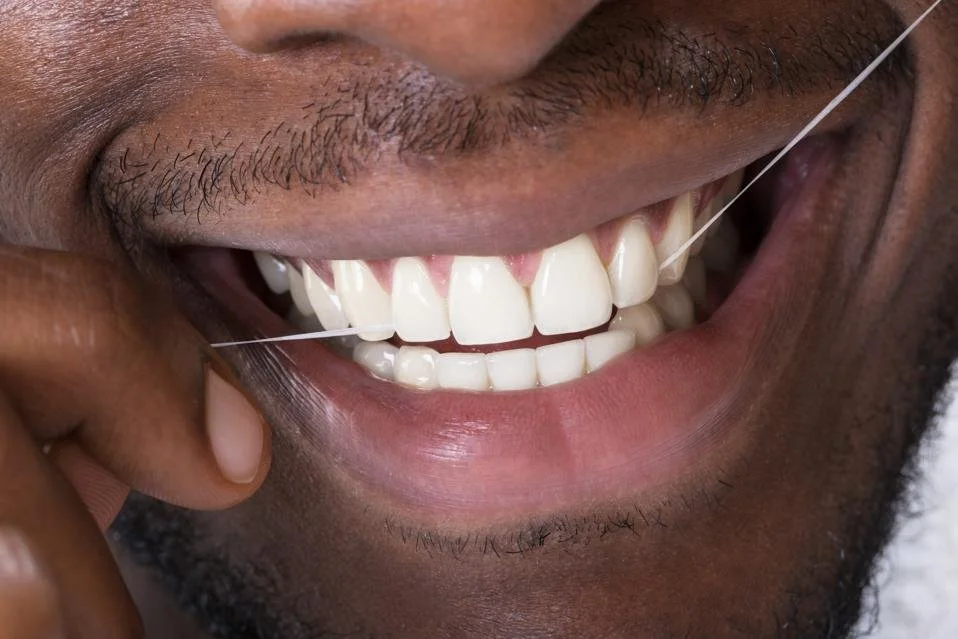
The short answer is YES! Flossing helps prevent bacteria building up on your teeth and gums that can lead to further infections and disease. But as for why your gusm are bleeding when you floss, there are several factors to consider.
Common Causes of Bleeding Gums (And How to Prevent Them)
Bleeding gums are a common oral health concern and often a sign that your gums need extra care. Understanding the underlying causes can help you take the right steps to improve your gum health and prevent more serious dental issues.
Gingivitis (Early Gum Disease)
Plaque buildup along the gumline can lead to gingivitis, causing inflammation, redness, and bleeding. Regular brushing, flossing, and professional cleanings are key to reversing this early stage of gum disease.
Starting a New Flossing Routine
If you’ve recently begun flossing after a long break, mild gum bleeding is normal for the first 3–10 days. As your gums adjust and become healthier, the bleeding should subside.
Brushing or Flossing Too Aggressively
Using excessive force or improper techniques—such as harsh scrubbing or sawing floss back and forth—can damage delicate gum tissue and lead to bleeding. Gentle, proper technique is essential for protecting your gums.
Underlying Medical Conditions or Medications
Health conditions like diabetes or medications such as blood thinners can make gums more prone to bleeding. If bleeding persists, consult both your dentist and healthcare provider.
Hormonal Changes
Fluctuations during pregnancy, puberty, or menopause can increase gum sensitivity and inflammation, making bleeding more likely.
Vitamin Deficiencies
A lack of essential nutrients, particularly vitamins C and K, can weaken gum tissue and contribute to bleeding. A balanced diet supports strong, healthy gums.
Tip: If your gums bleed regularly or symptoms worsen, schedule a dental checkup to rule out more advanced gum disease.
FAQs About Bleeding Gums
-
Occasional bleeding can happen, but it shouldn’t be frequent. Consistent or heavy bleeding is a sign that something needs attention and should be evaluated by a dental professional.
-
If bleeding lasts longer than 1–2 weeks, happens daily, or is accompanied by swelling, pain, or bad breath, it’s best to schedule an exam as soon as possible.
-
Yes. If left untreated, gum issues can progress into more advanced periodontal disease, potentially leading to gum recession, bone loss, and even tooth loss.
-
Maintain a consistent oral hygiene routine, use a soft-bristled toothbrush, and rinse with an antibacterial mouthwash. Avoid skipping flossing, even if mild bleeding occurs at first.
-
Yes. Gum health is closely connected to overall health, and ongoing inflammation in the gums has been linked to conditions like heart disease and complications with blood sugar control.
-
A balanced diet rich in fruits, vegetables, and essential nutrients supports strong gums and helps your body fight inflammation.
-
Yes. Younger individuals may experience bleeding gums, especially during growth stages or if oral hygiene habits are inconsistent. Regular dental visits help keep their gums healthy.